

Chronic Illness: Just Because You Can’t See It Doesn’t Mean It’s Not Real
Chronic Illness Fatigue: It’s Not Just Being Tired 👑🌹
People hear the word fatigue and think you’re tired. They imagine you’ve had a bad night’s sleep, stayed up too late or could do with an extra coffee. I wish it were that simple, because there’s a massive difference between being tired and living with chronic illness fatigue.
When you’re tired, a decent night’s sleep might help. With chronic illness, you can sleep for ten hours, sometimes longer, and still wake up feeling as though you’ve barely closed your eyes. You can get out of bed already exhausted, before you’ve even started doing anything, and spend the rest of the day trying to work out how you’re going to manage the basics.
People don’t always understand how much energy ordinary things can take. Brushing your teeth might mean needing to sit down afterwards. Having a shower can become a decision about whether you’ve got enough energy left to wash your hair as well. Making breakfast, getting dressed or putting a load of washing on might not sound like much to somebody else, but when your body is struggling, even those little jobs can leave you completely drained.
It’s not laziness, and it isn’t a lack of motivation. Sometimes you genuinely want to get on with things, but your body simply hasn’t got what you need to do them. You can have a list as long as your arm, plans you were looking forward to and every intention of getting things done, only to find yourself sitting there because you’ve run out of energy before you’ve even made a start.
The physical side of fatigue can be horrendous, too. Your limbs can feel heavy, your muscles can ache or burn, and keeping your eyes open can become a battle in itself. Then there’s the brain fog, when you know exactly what you want to say but can’t find the bloody word for it. You lose your train of thought halfway through a sentence, forget what you went into a room for or struggle to concentrate on something that would normally be straightforward.
It’s frustrating, particularly when your mind is still full of things you want to do. You haven’t suddenly stopped caring about your life, your family or the things that matter to you. You’re still you, with the same ideas, feelings and plans, but the energy you have available to act on them isn’t always there.
And one of the hardest parts is knowing that doing something today might leave you paying for it tomorrow. You might push yourself to attend a family dinner, go shopping or spend a little time with people you haven’t seen for ages because you want to be there. You might smile, join in and enjoy yourself while you’re out, and everyone sees you having a reasonably good day.
What they don’t see is what happens afterwards. They don’t see you coming home and needing to lie down, cancelling plans the following day or spending hours trying to recover enough energy to manage the basics again. Sometimes the recovery takes longer than you expected, and you end up having to rearrange even more of your life around it.
That’s one of the things people can struggle to understand about chronic illness. They see what you managed to do, but they don’t see what it cost you. Being able to do something once doesn’t mean you can do it every day, and managing a task doesn’t necessarily mean you had the energy to spare.
You can end up using tomorrow’s energy just to get through today, and then tomorrow arrives whether you’re ready for it or not.
It’s difficult trying to explain that to people who haven’t experienced it. You don’t always look ill, and you might not want to spend every conversation explaining why you’re exhausted again. Sometimes you put a smile on your face because you want to enjoy the time you have with the people you love, not because you’re pretending everything is fine.
But the smile doesn’t tell the whole story, and neither does what you manage to accomplish on a good day.
Chronic illness doesn’t care how much you want to get on with your life. It doesn’t care that you’ve got things to do, people to see or plans you’ve been looking forward to. You can want something with every part of you and still have to accept that your body has limits you can’t simply wish away.
That doesn’t mean you stop wanting things, and it certainly doesn’t mean you should have to justify yourself every time you need to rest. It means learning to live with a reality that can be incredibly frustrating, particularly when you remember what you used to be able to do or see other people managing things you can no longer take for granted.
And please don’t think I’m saying every day has to be a battle you win by pushing harder. Sometimes pushing through makes things worse, and sometimes the most sensible thing you can do is stop, rest and accept that today isn’t going to look the way you planned. You shouldn’t have to make yourself more unwell just to prove to somebody else that you’re trying hard enough.
If all you’ve managed today is getting out of bed, that’s still something. If you’ve spent the day resting because your body needed it, you haven’t wasted the day. And if you’ve had to cancel something you genuinely wanted to do, you’re allowed to be disappointed about that without feeling guilty as well.
You can be grateful for the things you do have and still be fed up with the things chronic illness takes away from you. You can be determined to keep living your life and still have days when you’re sick of having to think about every little thing. Those feelings can exist together, and you don’t have to put a positive spin on every difficult day.
At SBQ, I want us to be able to talk about these things honestly. Not just the days when we manage to get dressed, get out of the house and do something we’re proud of, but the days nobody sees. The days when getting through the basics takes everything we’ve got, and we don’t have some wonderful lesson to share at the end of it. We’re just tired, frustrated and trying to manage the best we can.
Because our worth isn’t measured by how much we get done, how productive we are or how well we hide what we’re dealing with. We are still the same people on the days when we achieve very little as we are on the days when we manage to do everything we’d hoped for.
Scars Build Queens isn’t about pretending we’re invincible. It’s about recognising that real life can be hard, that invisible struggles are still real, and that we deserve understanding even when we haven’t got the energy to explain ourselves.
I’ll be sharing more about different illnesses and the realities that come with them, because understanding what somebody is living with can make a difference to how we treat them.
If you live with chronic illness fatigue, I’d love to hear what people misunderstand most about it. And if you know somebody who struggles with it, perhaps this will help you understand why a simple day of ordinary activities can take so much out of them.
Scars Build Queens. 🌹👑
Useful Resources
If you’re struggling with the emotional impact of living with a long-term condition, these organisations offer information and support.
- Mind offers information and support around mental health.
- Mental Health UK provides mental health resources and guidance.
- NHS Mental Health Services explains available support and services.
-
Samaritans offers someone to listen when you need to talk.
More stories
 Positive mind.
Always keep a positive mind.
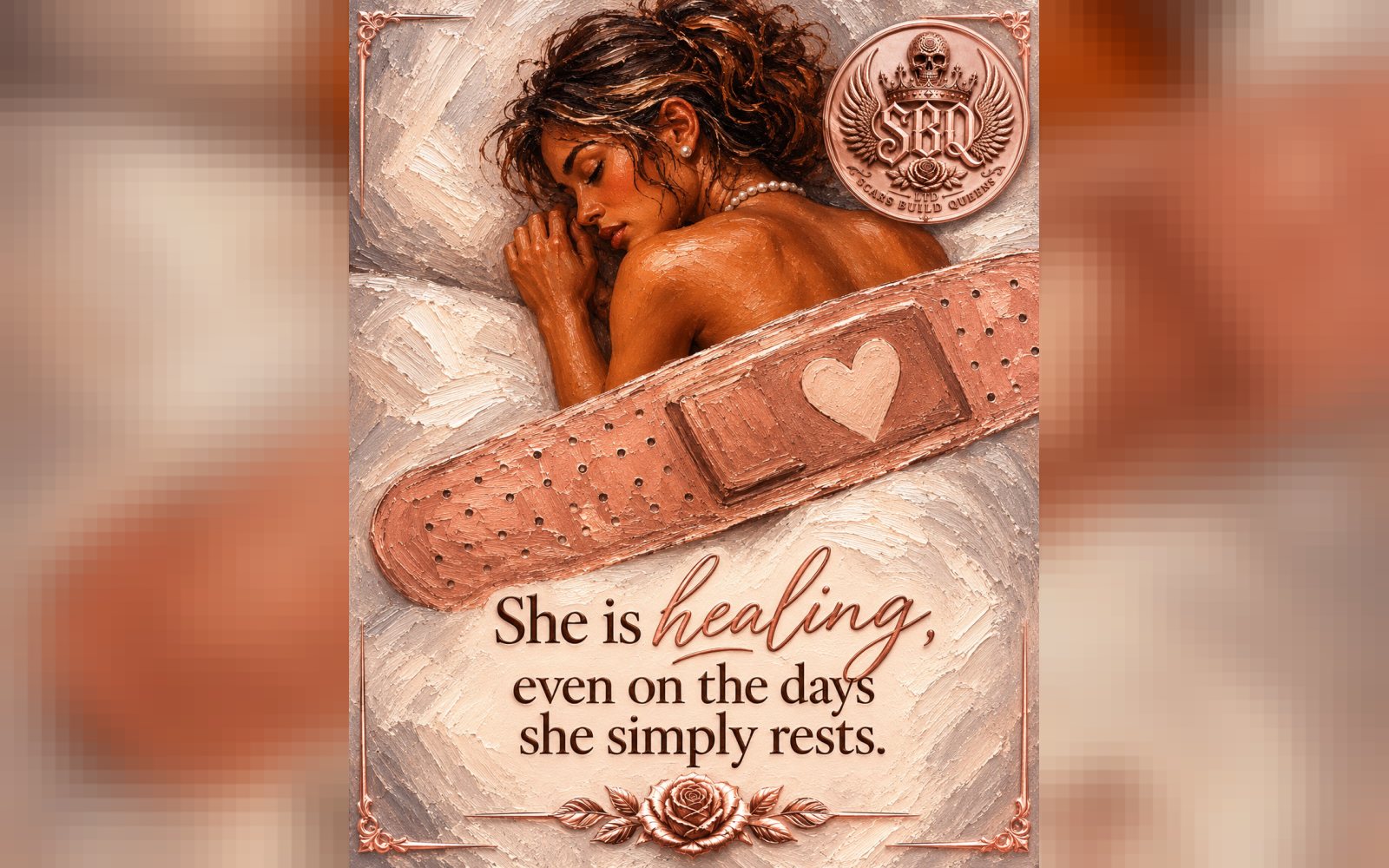 Let’s be honest, healing isn’t always pretty, positive or particularly productive!
🌹 SHE IS HEALING, EVEN ON THE DAYS SHE SIMPLY RESTS. Let’s be honest, healing isn’t always pretty, positive or particularly productive!...
 Feeling overwhelmed and taking time out is ok.
WHEN YOUR EMOTIONS ARE ALL OVER THE BLOODY PLACE I think when I’m feeling really ill I have a habit of shutting off from everyone. I go quiet, retrea...
